
Preparing for Seasonal IT Challenges in Defense Contracting
jk
Understanding Seasonal IT Challenges
The defense contracting industry is no stranger to complex challenges, especially when it comes to IT infrastructure. As seasons change, so do the demands on IT systems, making preparation crucial. From fluctuating workloads to cybersecurity threats, anticipating these challenges can make all the difference in maintaining operational efficiency.
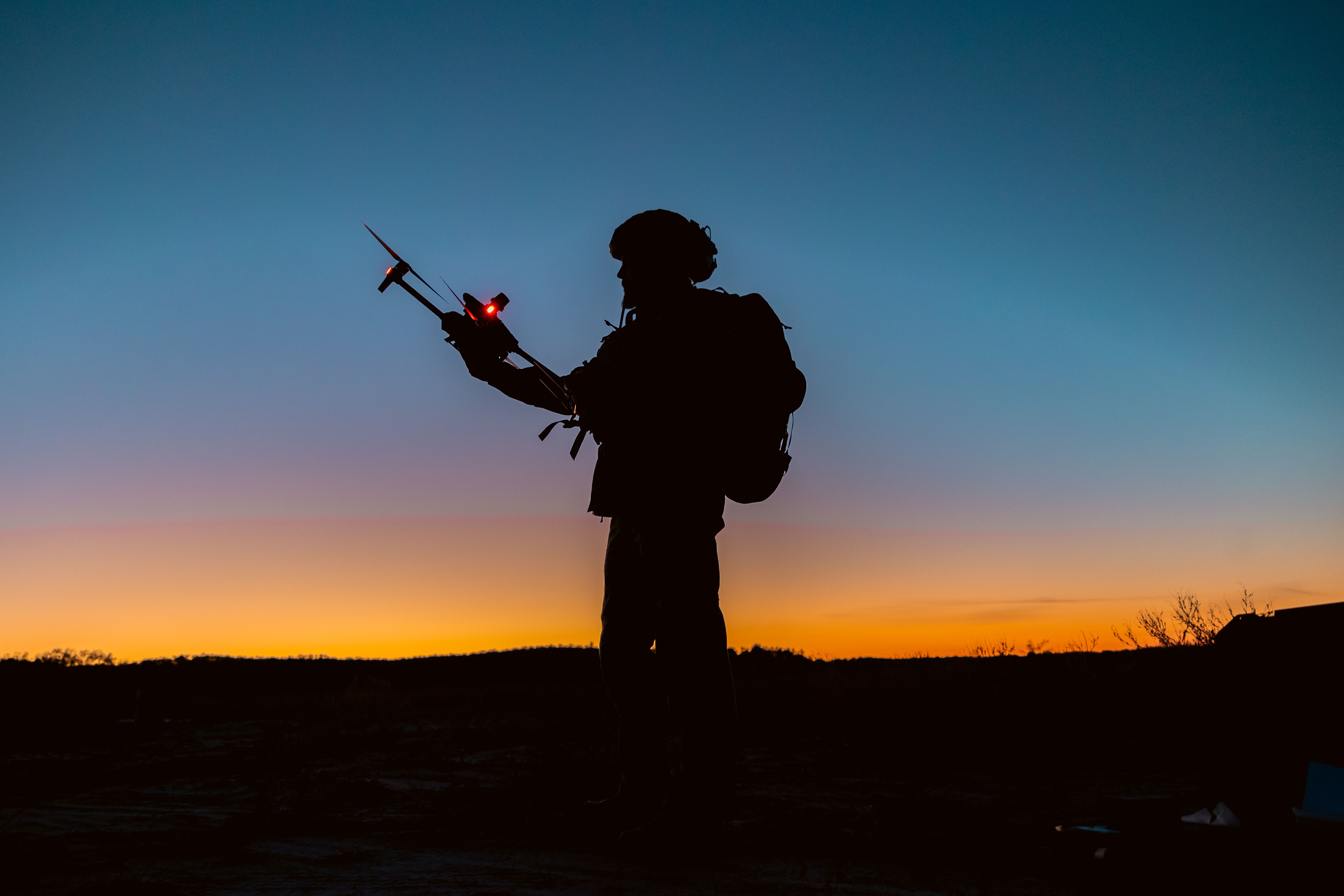
Impact of Weather on IT Infrastructure
Weather can significantly impact IT systems, leading to potential disruptions. Severe weather conditions often result in power outages and connectivity issues. To mitigate these risks, it's essential to invest in reliable backup systems and ensure that your team is well-versed in emergency protocols.
Moreover, extreme temperatures can affect hardware performance. Regular maintenance and monitoring of equipment can prevent costly downtime. Consider implementing temperature control systems in data centers to safeguard against overheating.
Fluctuating Workloads and Resource Allocation
Seasonal fluctuations in defense contracting projects can lead to varying IT workloads. During peak periods, your infrastructure must support increased data processing and storage needs. It's important to assess your current capabilities and plan for scalability.

Cloud solutions offer flexibility by allowing you to scale resources up or down as needed. This adaptability ensures that you only pay for what you use, optimizing costs and efficiency. Additionally, implementing automated systems can streamline operations and reduce the burden on your IT staff.
Cybersecurity Concerns
With the rise in cyber threats, especially during peak contracting periods, enhancing cybersecurity measures is vital. Seasonal changes often see an increase in cyberattacks, targeting vulnerabilities in IT systems. Regular security audits and employee training can help protect sensitive data.
- Conduct regular penetration testing.
- Implement multi-factor authentication.
- Stay updated with the latest security patches.
Staff Training and Preparedness
Ensuring that your IT staff is prepared for seasonal challenges is crucial. Regular training sessions can equip them with the necessary skills to handle unexpected situations. Encourage a culture of continuous learning and development to keep your team agile and responsive.

Additionally, cross-training employees in different IT areas can provide flexibility during high-demand periods. This approach not only enhances team capabilities but also fosters collaboration and innovation.
Conclusion
Preparing for seasonal IT challenges in defense contracting requires a proactive and strategic approach. By understanding the potential impacts of weather, managing fluctuating workloads, strengthening cybersecurity, and investing in staff training, you can ensure your IT infrastructure remains robust and resilient.
With these strategies in place, your organization will be better equipped to navigate the complexities of seasonal changes, maintaining seamless operations and achieving your mission-critical objectives.